Two in Three Patients Hide Weight Loss Treatment, UK Study Finds
GLASGOW, Scotland, March 4, 2026 /PRNewswire/ -- Two in three people using GLP-1 weight loss treatments hide their treatment from friends or family, according to new research from Simple Online Pharmacy, released on World Obesity Day. While 54% of patients say others' attitudes toward them improve after losing weight, the study shows that the method used – medical treatment – is often heavily judged.
The study, the largest of its kind in the UK, combined over 3000 patient responses with a 2000 respondent consumer survey, revealed that secrecy is a defining feature of GLP-1 treatment.
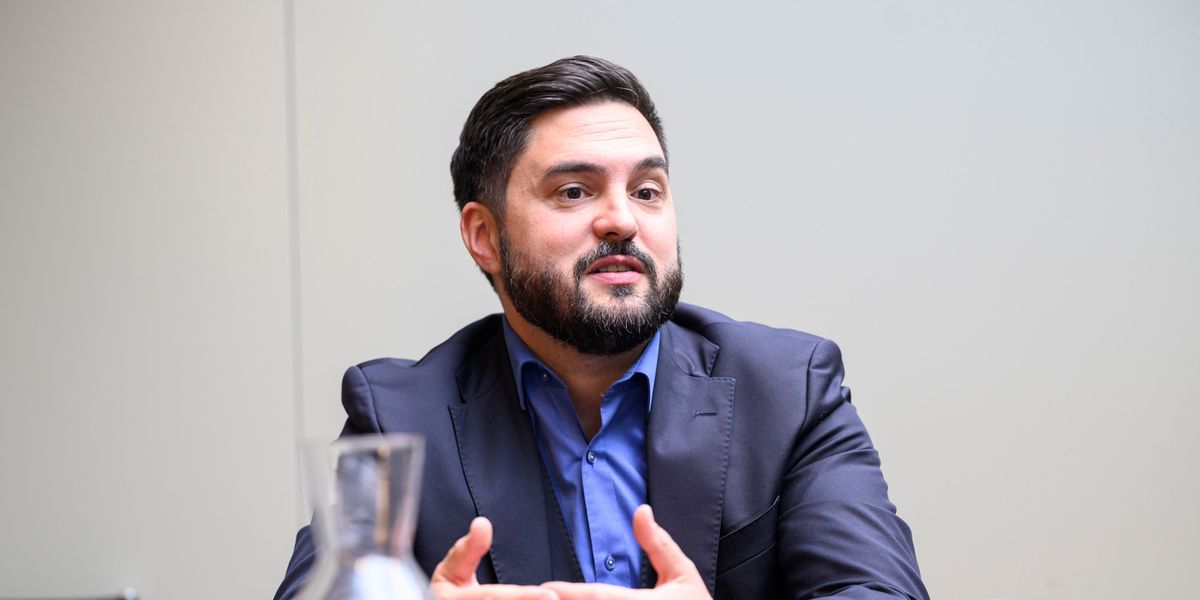
Chief Clinical Officer Abdal Alvi said: "People living with obesity are often told their weight is simply about willpower. Yet when they seek medical support, they are criticised for 'cheating' or taking the 'easy way out.' People are judged both for having a chronic disease and for treating it. To help people live healthier lives, we need to recognise obesity as a medical condition and reduce the stigma surrounding treatment."
The findings highlight the social barriers patients face. Thirty-eight percent report being judged for using GLP-1 treatment, nearly 80% have been accused of taking the "easy way out," and 68% were told to "eat less and move more." One in five patients (21%) say fear of social stigma influenced their decision to pursue treatment.
Younger adults are particularly affected, with concealment peaking at 74% among Gen Z, compared with 60% of Boomers and 43% of the Silent Generation. Women are also more likely to hide treatment than men (69% vs 53%). Paradoxically, the groups most open to treatment and most aware that obesity is a chronic medical condition are often those who feel most pressure to conceal it.
Despite public perception of GLP-1 as a shortcut, patient-reported outcomes tell a different story. 92% report improved overall health, along with gains in energy, mobility and confidence, and 88% say treatment has helped them sustain healthier lifestyle habits. On average, patients had attempted four other weight loss methods before starting medication, showing that treatment often follows years of effort, rather than replacing it.
The study underscores a critical gap between perception and reality. While GLP-1 therapies are clinically effective and deliver meaningful benefits, social stigma and outdated narratives may be limiting uptake and engagement. Aligning public understanding with medical evidence will be essential to improving access, adherence and long-term health outcomes.
Report available at: www.simpleonlinepharmacy.co.uk/research/stigma-survey
 View original content:https://www.prnewswire.co.uk/news-releases/two-in-three-patients-hide-weight-loss-treatment-uk-study-finds-302702972.html